Vineyard · 4 min read
Why we chose to farm biodynamically
Jablan Winery · 20 June 2026
Montenegro's first Demeter-certified winery — and the thinking behind that decision, from the living soil to the buried qvevri.
When Borislav and Angelika Jablan decided to take over and expand the estate, one question came before anything else: how do we farm?
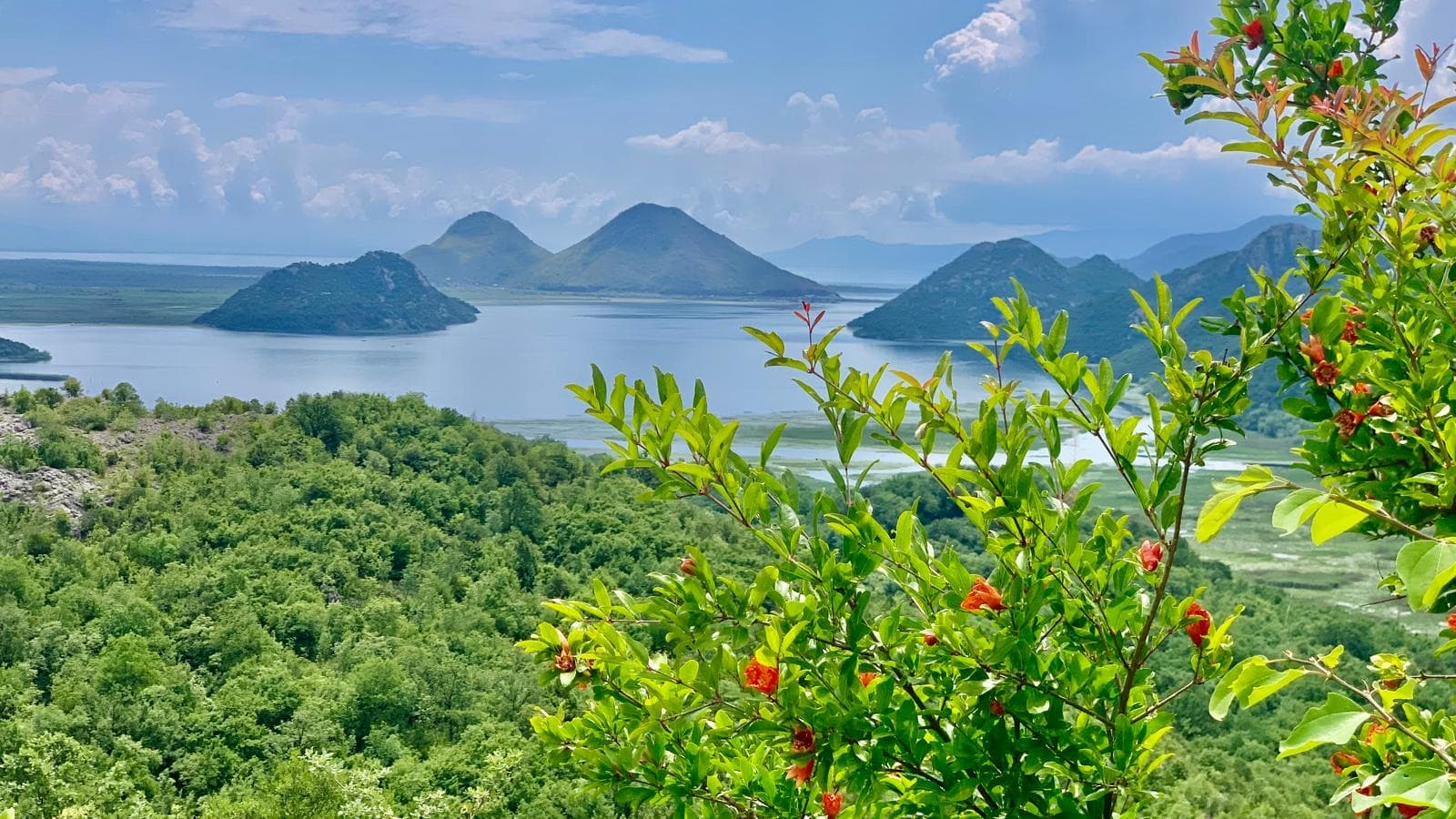
Our vineyards are in Rvaši, a village on the shores of Lake Skadar — a UNESCO-protected ecosystem of European significance. The farm sits above underground water flows, on soils with a long viticultural history, with vines rooted here for more than seventy years. Conditions like these call for a way of farming committed to preserving and building natural soil fertility for the long term.
That is why we chose the biodynamic system — grounded in the principles of Rudolf Steiner and the standards of Demeter, the world's oldest and most established biodynamic certification.
Montenegro's first Demeter-certified winery
Demeter certification is more than a label. It's an annually audited commitment that biodynamic standards are upheld across the whole farm — from the soil, through the vineyard, into the cellar. Independent inspectors verify it, on top of the legally required organic inspection under the EU Organic Regulation.
So when you open a bottle from us, you're not being asked to take our word for it. You're holding a wine verifiably produced to the highest international standards of biodynamic agriculture.
What shows up in the glass
Healthy vines produce better fruit, and better fruit needs less intervention in the cellar. That isn't a theory — it's the result of biodynamic farming practised consistently over years. Our wines, red, orange or white, show a clarity of fruit, depth and mineral precision that comes straight from the soils and the character of Rvaši.
Quality doesn't come from how a wine is marketed. It comes from farming. That vitality can't be added later — it's either built in the vineyard, or it's missing from the bottle.
The vineyard as a living organism
At the heart of biodynamics is the idea of the farm organism: the whole farm as a single, self-sustaining living system, where soil, plant, animal and people are in active relationship. It's a different view from conventional viticulture, which treats the vineyard as a production unit to be managed.
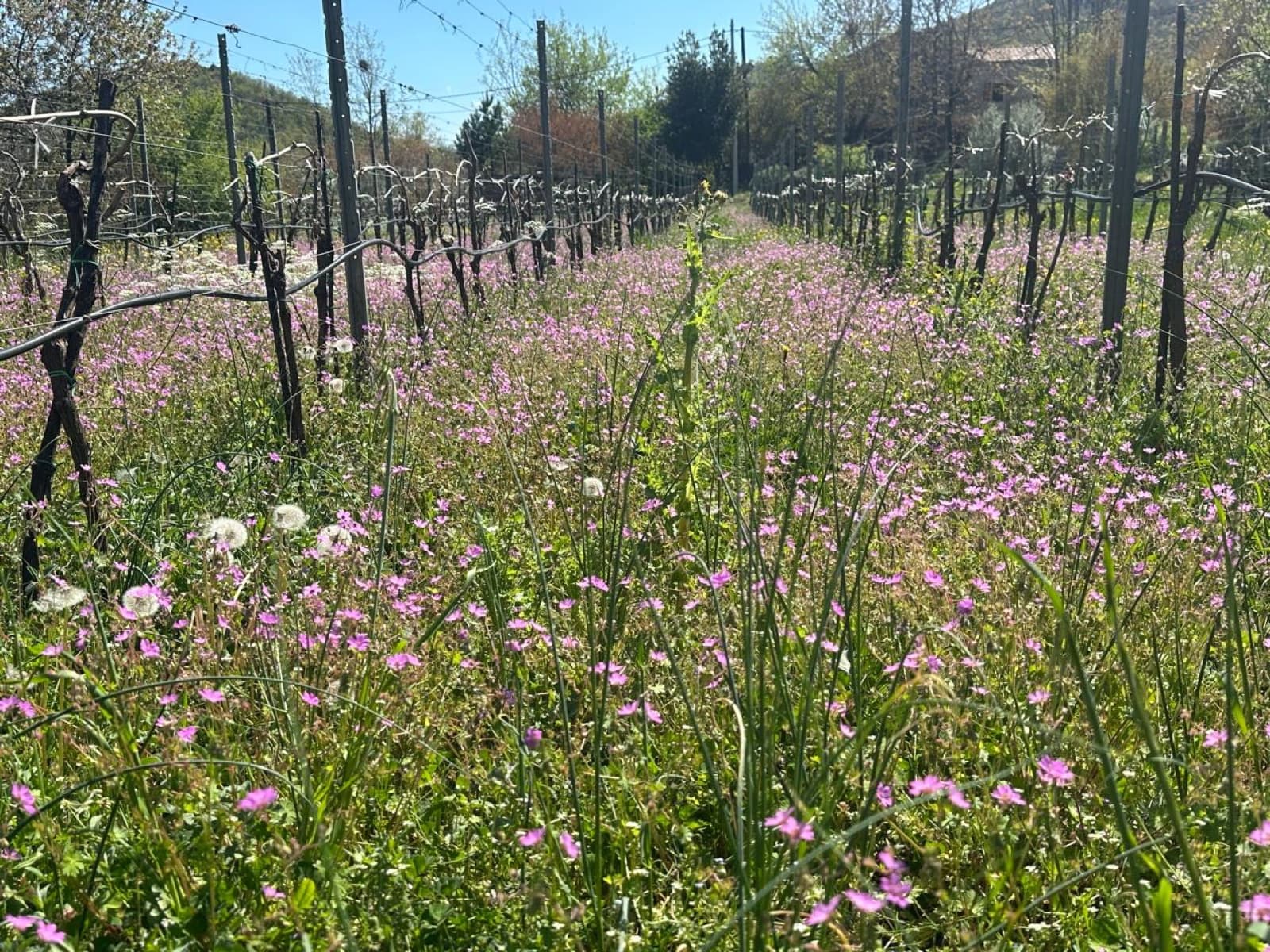
In practice that means no synthetic fertilisers, no chemical sprays, and no artificial irrigation for our older vines. The healthy soils and the microclimate of Lake Skadar give the vines what they need. Soil life, beneficial insects, the companion flora — yes, including the "weeds" — and the surrounding landscape are all part of our farm organism, and we actively look after them.
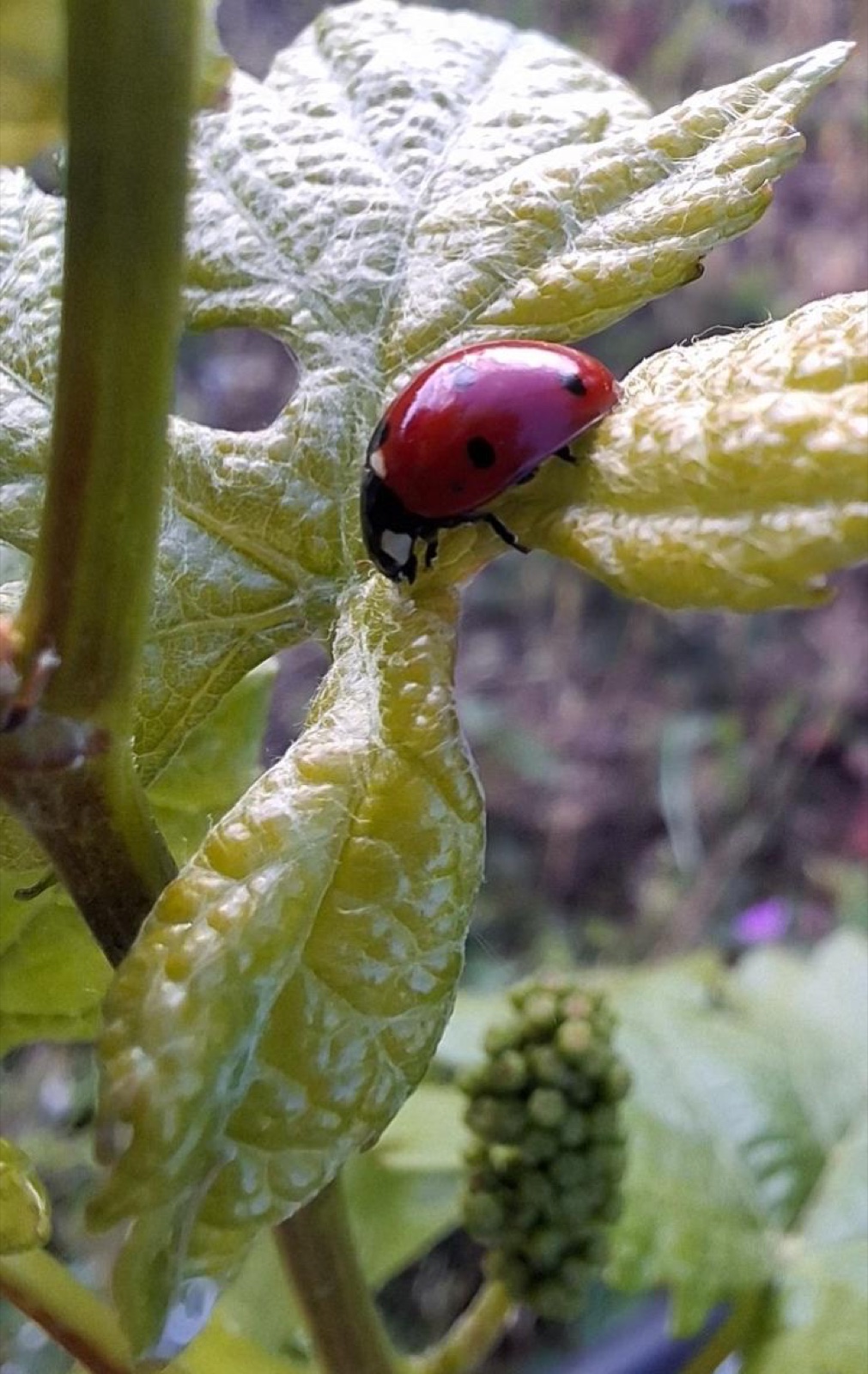
Above all, we work for the vitality of the soil. A living, healthy soil is the foundation for resilient vines, and for grapes of genuine quality.
Working with natural rhythms
Biodynamics also looks beyond the material side of farming, to the rhythms of nature — and in particular the moon. Pruning, plant care, harvest and cellar work are planned in step with the biodynamic calendar developed from the research of Maria Thun, which divides the year into four day types, each tied to an element:
- Fruit days · warmth — ideal for harvest, when the vine's energy gathers in the berry.
- Root days · earth — well suited to pruning and soil work, as the life forces draw down into the roots.
- Flower days · light — days of rest in the vineyard; no work on vine or soil.
- Leaf days · water — focus on plant strength and water; the green canopy takes precedence.
None of this is new. Steiner laid the foundations of biodynamic agriculture in 1924; Demeter was founded the same year and today certifies almost 8,000 farms worldwide. Leading estates in Burgundy, the Rhône and Tuscany have farmed this way for decades. We're simply the first to bring certified biodynamic viticulture to Montenegro.
Biodynamic preparations
Central to the system are Steiner's field-spray and compost preparations, required of every Demeter farm. Horn manure and horn silica support the vitality of soil and plant — stimulating photosynthesis, root development, and the vines' own resilience to disease. They don't replace conventional inputs; they're part of a holistic approach that puts the living processes of the vineyard ahead of short-term intervention.
Unmanipulated wine from the qvevri
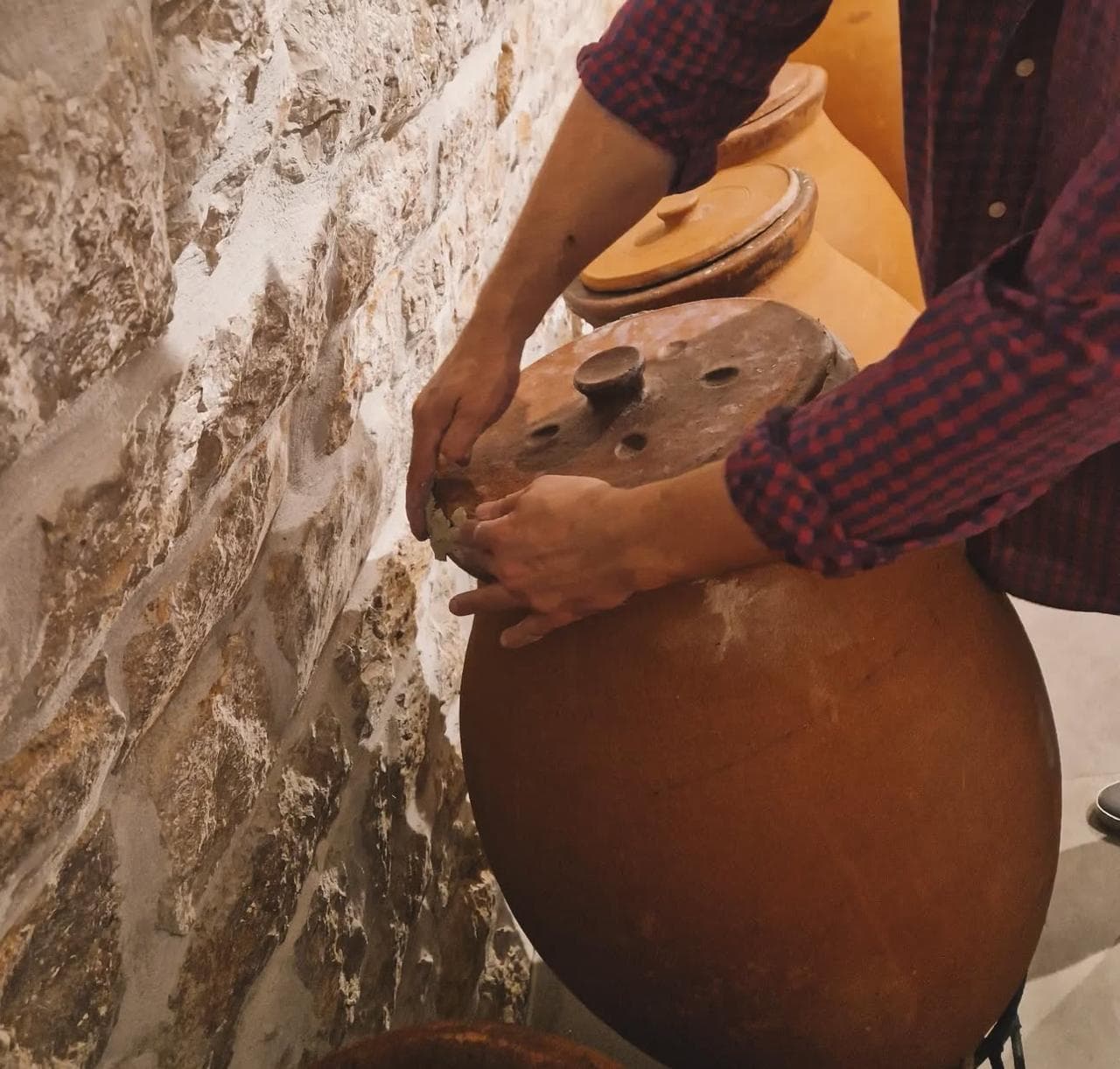
What we practise in the vineyard, we carry into the cellar. We ferment and age our wines in qvevri — terracotta vessels made in the Georgian tradition and set into the earth. In keeping with biodynamic cellar practice, we use as little technology as possible and no additives: no fining, no filtration, no added commercial yeasts.
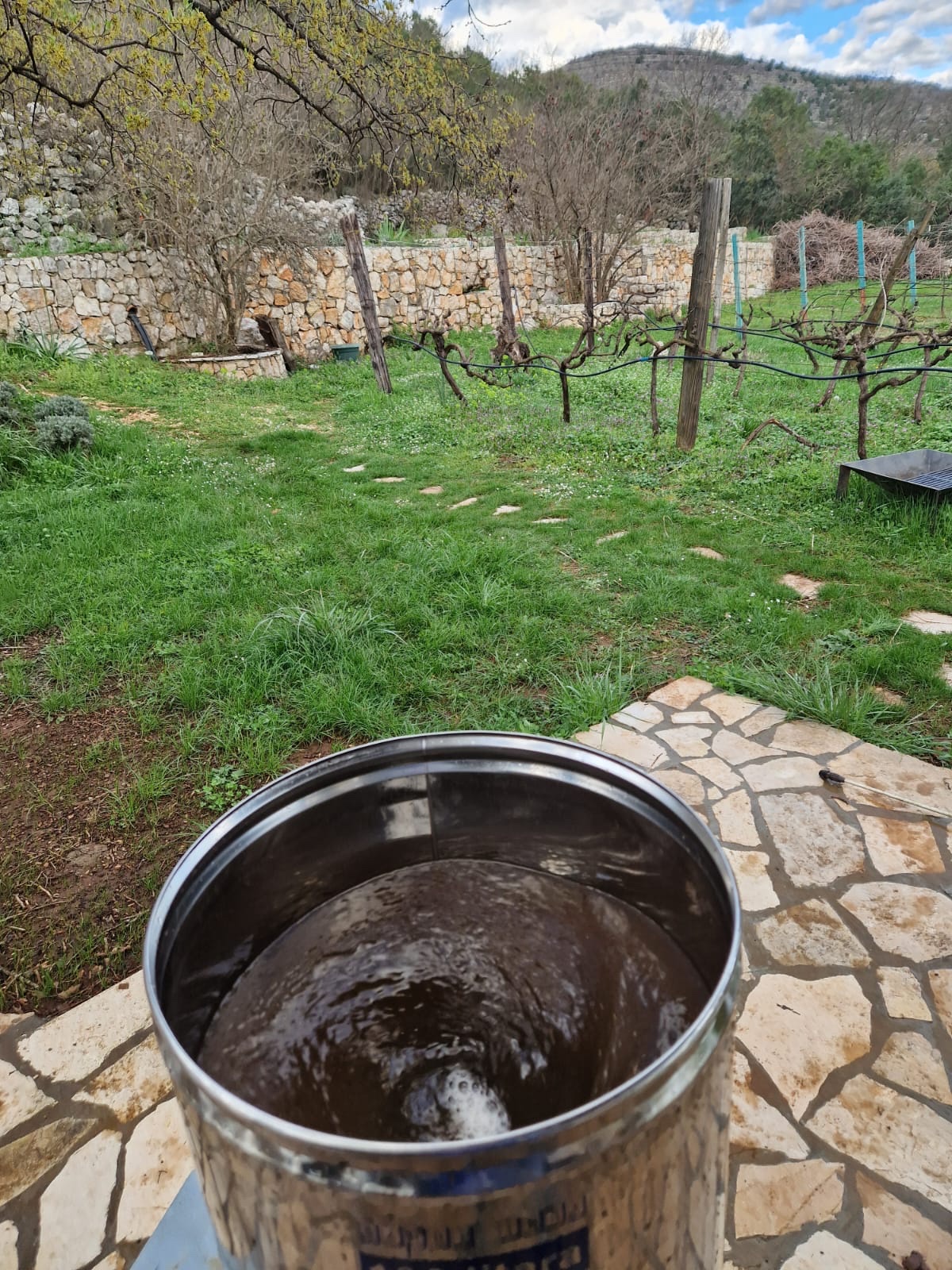
The wine develops naturally and reflects what we grew: soil fertility, provenance, vitality. Deep, complex, terroir-driven wines are made in the vineyard, in harmony with nature. That, in the end, is the essence of biodynamic viticulture.
See for yourself — book a private tasting in our cellar, or order a bottle and taste the difference.